


An Turas (The Journey): BBC Radio 3
A linguistic collage of modern Scotland, from Multitrack Audio Fellow Stephen Maguire. Listen here.
More like this...
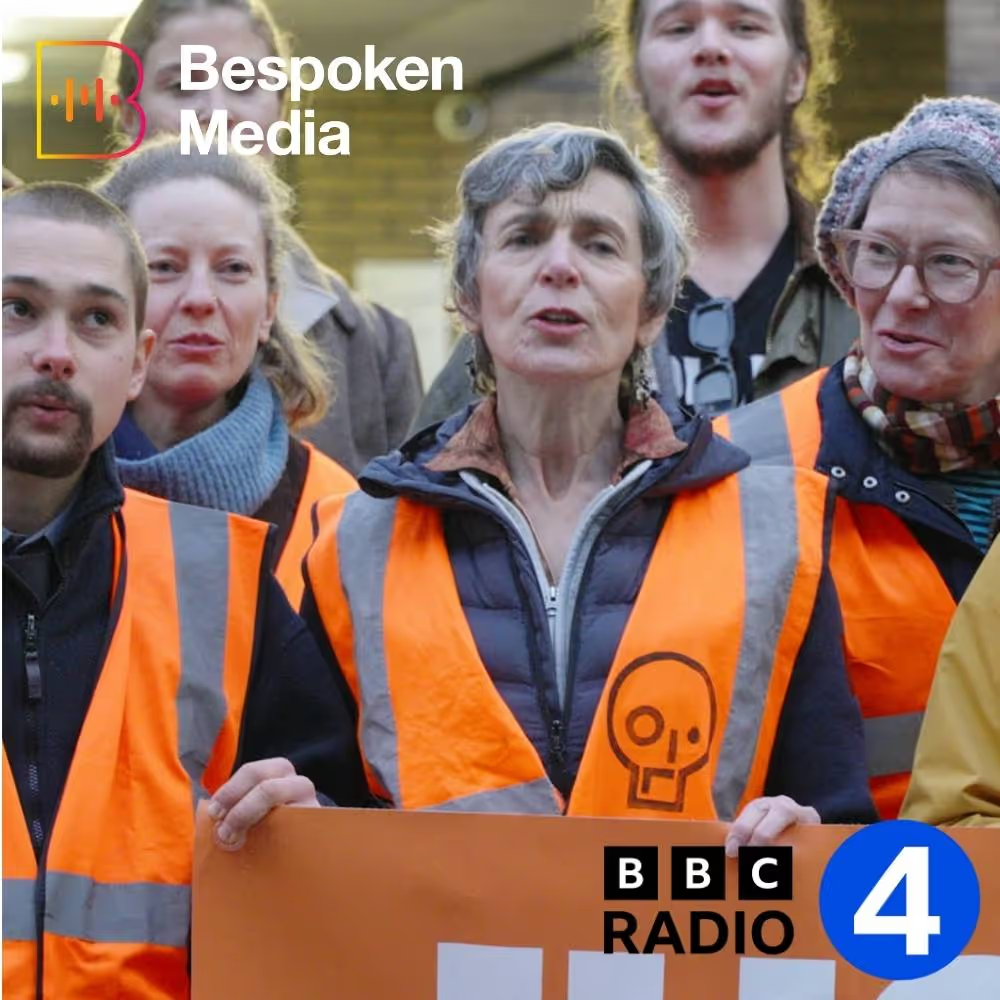
Campaigner Louise Lancaster has gone from law-abiding teacher to law-breaking eco-activist, and been jailed for her actions. Is she a concerned campaigner or a reckless fanatic?
Click here to listen.

Luna Silva invites us to a traditional Georgian Supra, where food, wine and polyphonic singing blend together.
This programme won a Special Commendation at Europe's most prestigious audio awards the Prix Europa, in 2025.
The judges called it 'joyous and beautifully crafted' and 'an unforgettable, immersive, and enriching listen'.
Click here to listen.
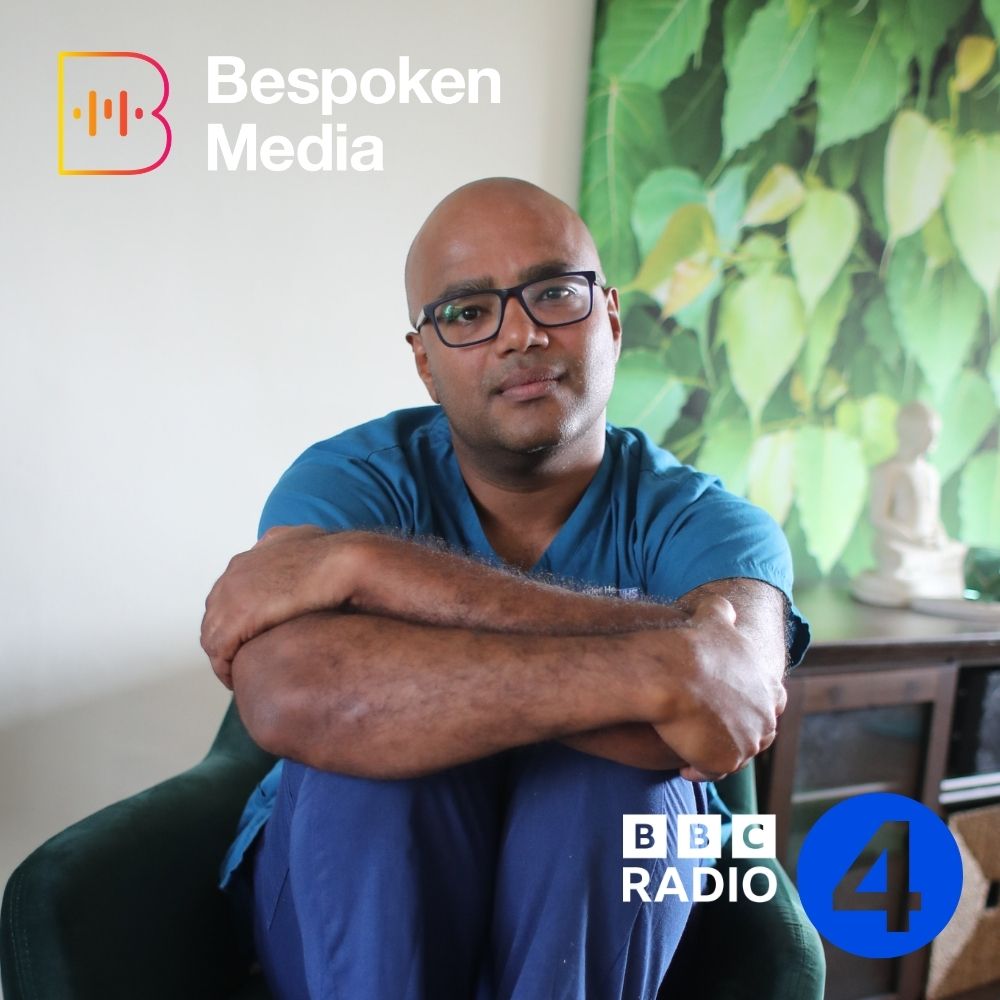
One doctor dies by suicide every three weeks, according to figures from the British Medical Association.
In 2021, Dr Lalith Wijedoru left his role as consultant paediatrician in emergency medicine, to focus on supporting workforce health and wellbeing, including those working in healthcare.
Given rare access to a wellbeing and recovery retreat, we hear emotional testimonies from the four groups of doctors at greatest risk of suicide - General Practitioners, anaesthetists, surgeons and psychiatrists.
Their stories - of workplace bullying, isolation, fatigue and fear of patient complaints - suggest a system in which doctors are made to feel like machines, rather than human beings. The concept of 'moral injury' is also a factor - where a doctor is unable to provide the care they wish to give to their patient, due to lack of resources or system breakdown.
These stories take us to the heart of issues being faced by many or most NHS professionals - and by the ‘system’ more generally.
Presenter: Dr Lalith Wijedoru
Producer: Amanda Hargreaves
Sound design: Joel Cox
Location recordings: Jon Calver
Executive producer: Dave Howard
A Bespoken Media Scotland production for BBC Radio 4
Click here to listen.

BBC Stockholm correspondent Maddy Savage on provocative and practical ways Swedes made menstruation less taboo. https://www.bbc.co.uk/sounds/play/w3ct2zjj