


Crossing the Line
Campaigner Louise Lancaster has gone from law-abiding teacher to law-breaking eco-activist, and been jailed for her actions. Is she a concerned campaigner or a reckless fanatic?
Click here to listen.
More like this...
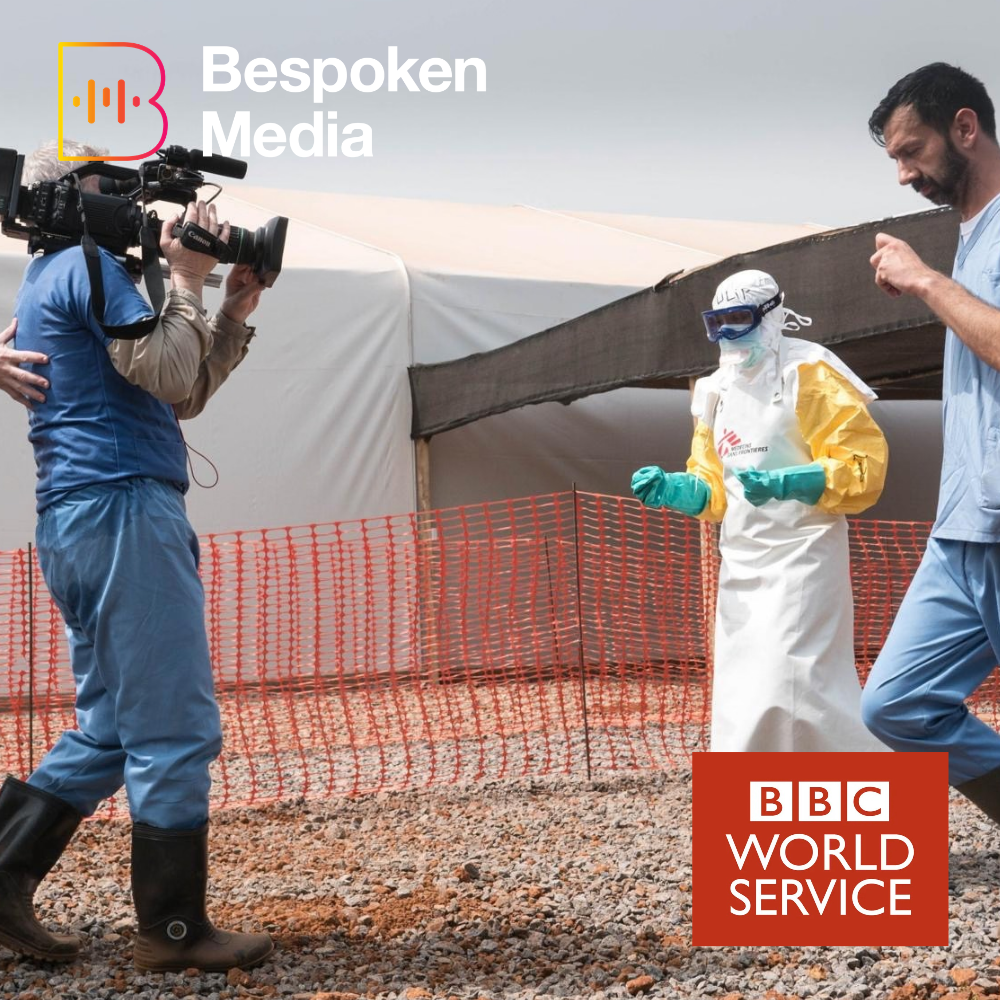
Ten years on from the Ebola outbreak which tore through West Africa, journalist Tulip Mazumdar reconnects with survivors, healthcare workers and volunteers she met when reporting extensively from the frontline.
The 2014-2016 Ebola outbreak killed over 11,000. The epidemic exposed how unprepared the world was for fast-moving outbreaks - and how quickly they could spiral out of control.
Ordinary people took action and managed to contain the virus. In 2026, Ebola is back in the headlines as the Bundibugyo strain spreads in the DRC. What have we learnt about science communication, pandemic preparedness and grief in the last decade, that can help us today?
Click here to listen.

For the BBC World Service, Maddy Savage on how Sweden has become Europe's gun crime hotspot.
.avif)
In Sweden’s far north, indigenous Sami people say their culture is threatened by carbon-cutting industries. Listen at BBC Sounds.

An immersive audio experience for BBC Radio 3's After Dark festival at Sage Gateshead. Composer and sound artist Rob Mackay at five locations where remains of Hadrian’s Wall can be found in Newcastle, complemented by the words of writers and poets as they respond to the sounds of Tyne.