


Rock Bottom: 50 years since Britain's IMF crisis
The UK’s 1977 entry to the Eurovision Song Contest was called Rock Bottom, making fun of the grim political and economic realities of the time.
On stage, an orchestra conductor was dressed as a city businessman, with a pinstripe suit and a bowler hat.
Singers Mike Moran and Lynsey De Paul sat at two grand pianos reading newspapers with headlines about Britain's economic mess, before breaking into song. The entry placed second.
Britain's economic crisis had come to a head a few months earlier, on 28 September 1976. News broke of a run on the pound. Currency markets were in turmoil. International creditors would no longer lend to the UK.
The country was out of time, and running out of money.
In this Archive on 4, historian and journalist James Sladden takes us back to that febrile, tumultuous time – and explores why the 1976 IMF crisis still matters today, half a century later.
Producer and presenter: James Sladden
Producer: David Howard
Archive research: Jac Phillimore
Mix engineer: Joel Cox
Executive producer: Carys Wall
With grateful thanks to: Dr Duncan Needham, Professor Kathleen Burk, Mike Moran, Whistledown London studios, and the BBC Radio Archivists team.
A Bespoken Media Scotland production for BBC Radio 4
Click here to listen.
More like this...
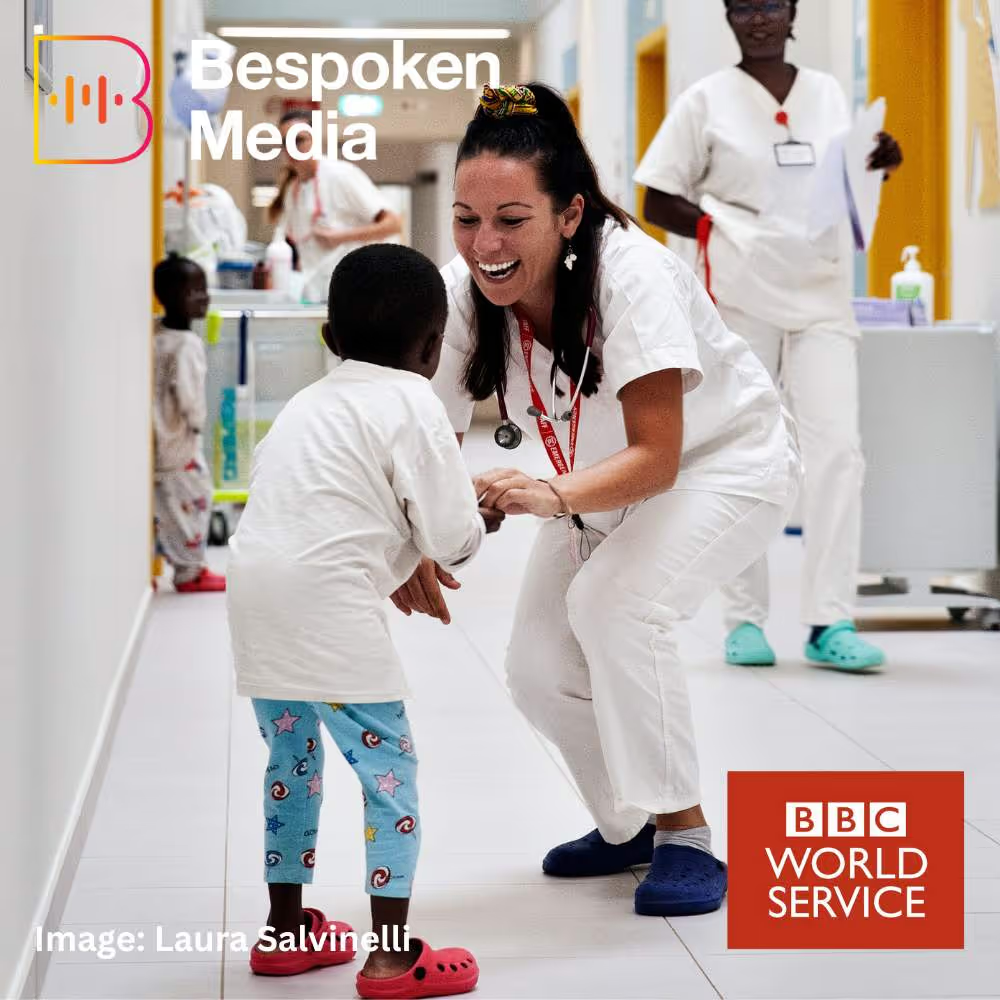
A free, state-of-the-art children’s hospital is transforming paediatric care in Uganda. But is one hospital enough to reset the future for Uganda's children?
Click here to listen.
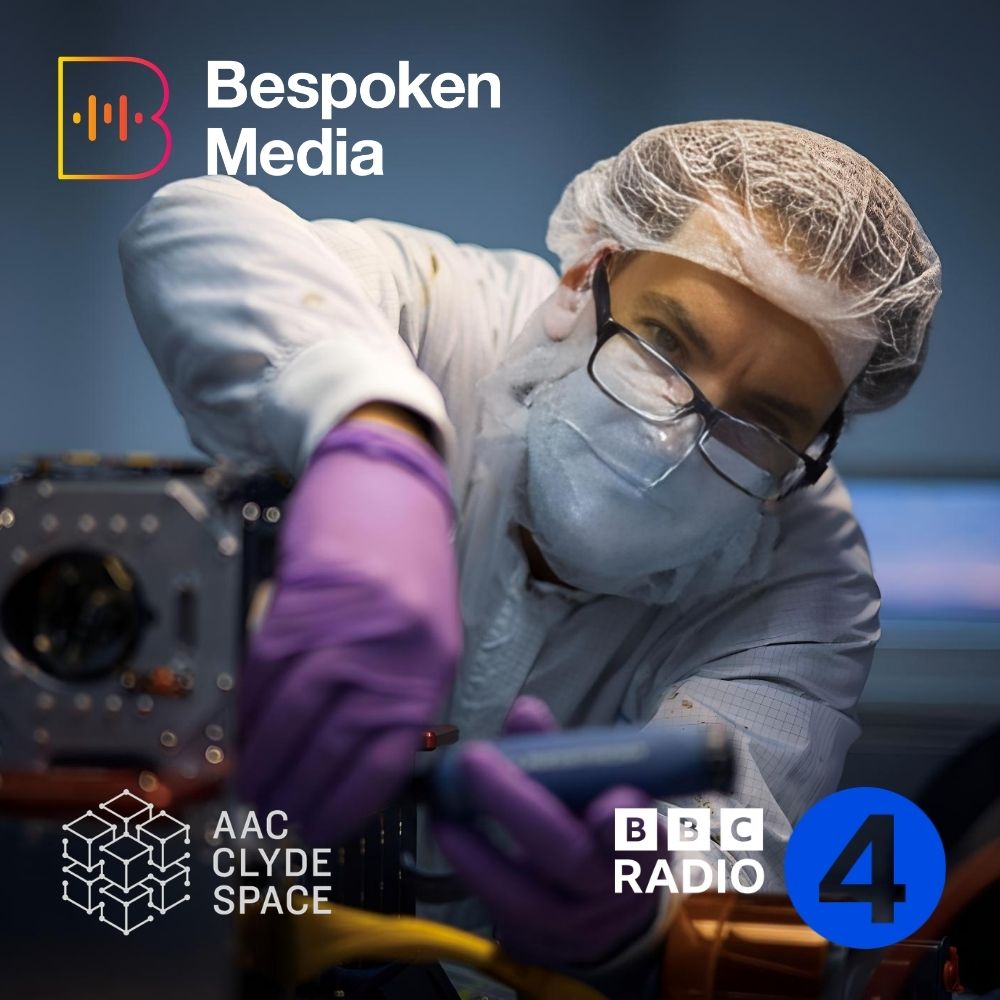
With little fanfare, Glasgow has transformed itself into Europe's largest producer of small satellites.
The city - historically a global shipbuilding hub - is now a centre of expertise for designing and building modular spacecraft that orbit the Earth, and supply services to customers around the world.
This growth places Glasgow at the heart of a wider space industry cluster. Nearby businesses are developing rockets, satellite components and data services, while launch sites are being built elsewhere in Scotland, in hopes of creating an end-to-end space sector.
Despite this success, some of the sector's leading figures say Glasgow's position is no longer secure, as governments across Europe increase their investment in space.
They warn that, without stronger backing, this success story of UK high-tech manufacturing could lose its competitive edge.
Presenter: Shiona McCallum
Producer: Katie Revell
Executive producer: Carys Wall
Mix: Joel Cox
With thanks to Patrick Wallace
A Bespoken Media Scotland production for BBC Radio 4.
Click here to listen.
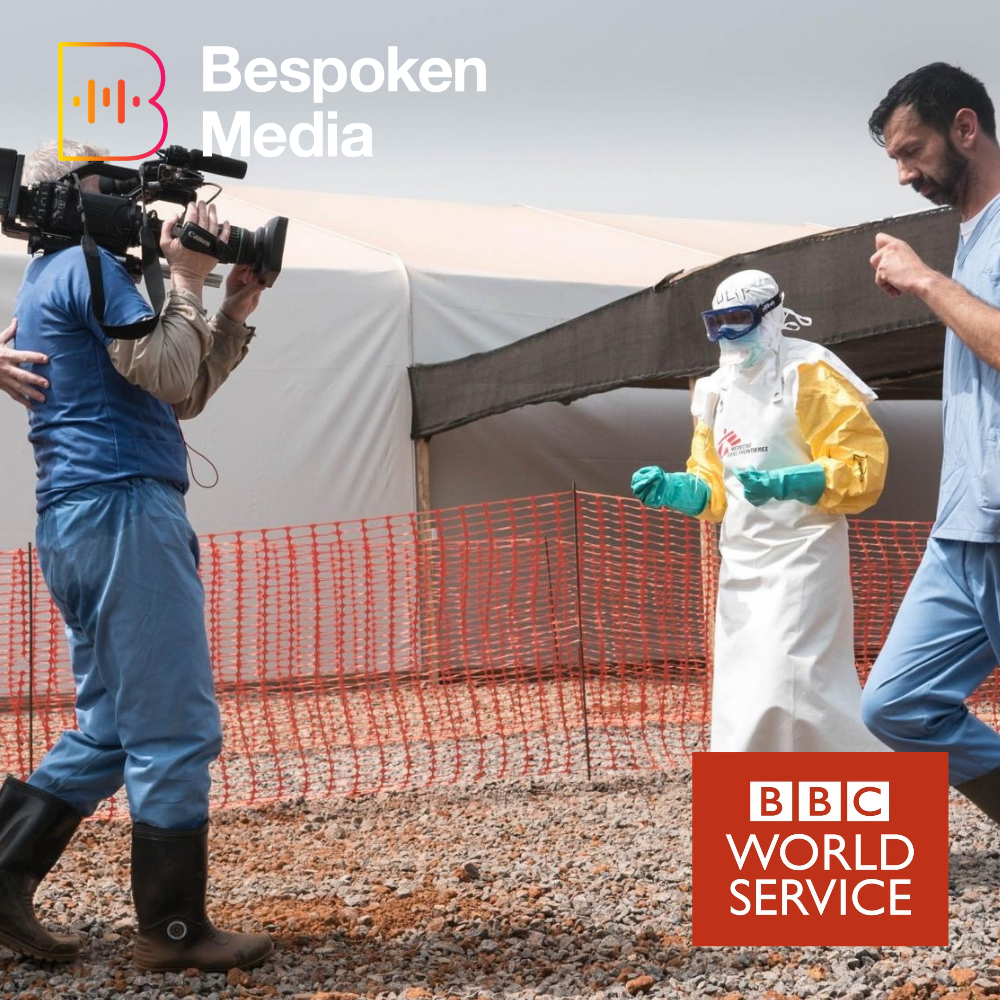
Ten years on from the Ebola outbreak which tore through West Africa, journalist Tulip Mazumdar reconnects with survivors, healthcare workers and volunteers she met when reporting extensively from the frontline.
The 2014-2016 Ebola outbreak killed over 11,000. The epidemic exposed how unprepared the world was for fast-moving outbreaks - and how quickly they could spiral out of control.
Ordinary people took action and managed to contain the virus. In 2026, Ebola is back in the headlines as the Bundibugyo strain spreads in the DRC. What have we learnt about science communication, pandemic preparedness and grief in the last decade, that can help us today?
Click here to listen.
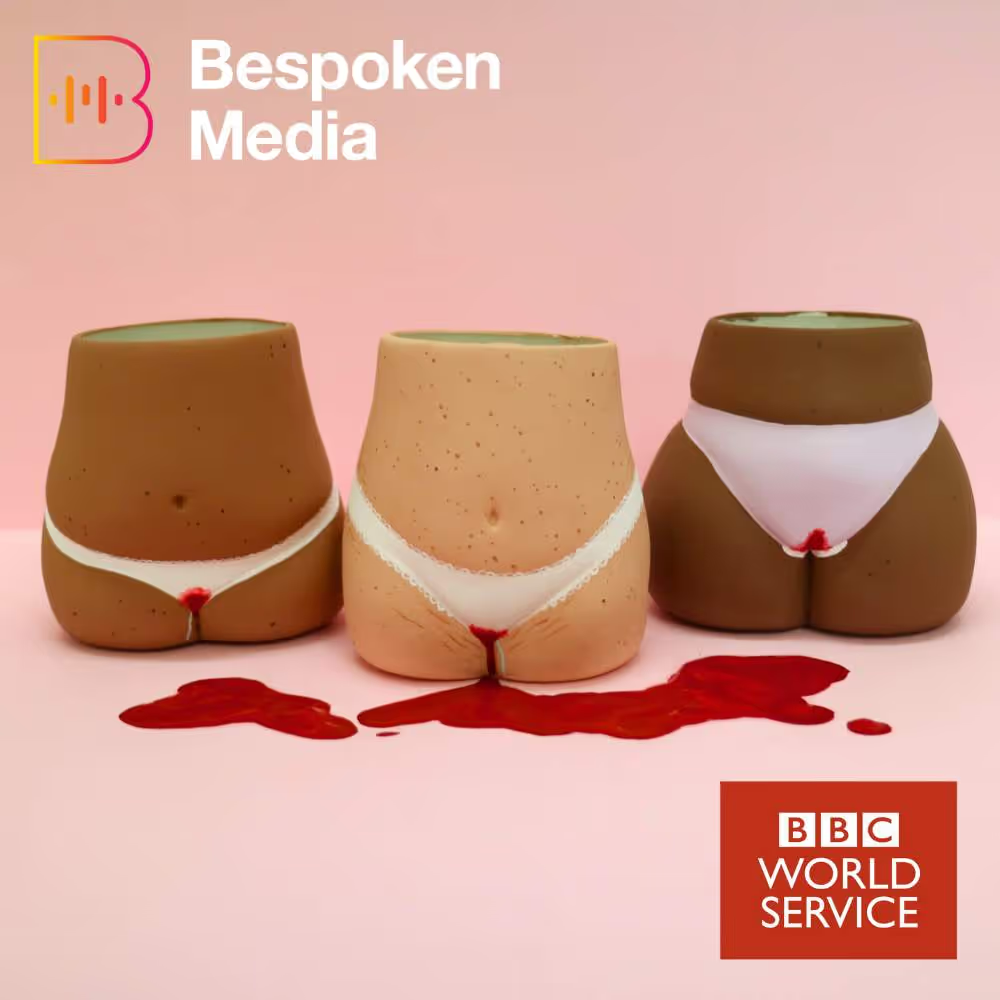
BBC Stockholm correspondent Maddy Savage on provocative and practical ways Swedes made menstruation less taboo. https://www.bbc.co.uk/sounds/play/w3ct2zjj