


BBC Radio 4: A Succession of Repetitive Beats
Archive on 4 charting the impact of the 1992 rave at Castlemorton Common, and how it led to the 1994 Criminal Justice Act. Presented and produced by Tom Barton. Sound by Barney Philbrick and Joel Cox. Listen: https://www.bbc.co.uk/sounds/play/m0017f1b
More like this...
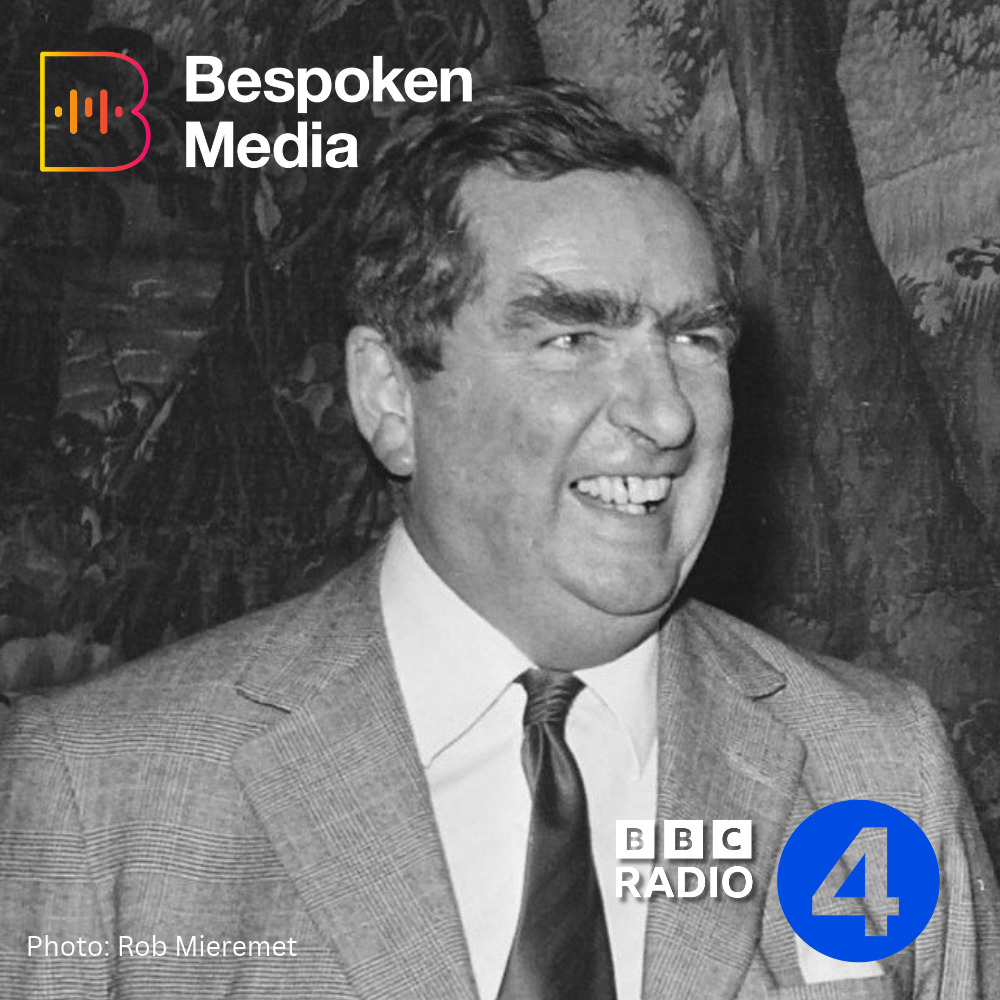
The UK’s 1977 entry to the Eurovision Song Contest was called Rock Bottom, making fun of the grim political and economic realities of the time.
On stage, an orchestra conductor was dressed as a city businessman, with a pinstripe suit and a bowler hat.
Singers Mike Moran and Lynsey De Paul sat at two grand pianos reading newspapers with headlines about Britain's economic mess, before breaking into song. The entry placed second.
Britain's economic crisis had come to a head a few months earlier, on 28 September 1976. News broke of a run on the pound. Currency markets were in turmoil. International creditors would no longer lend to the UK.
The country was out of time, and running out of money.
In this Archive on 4, historian and journalist James Sladden takes us back to that febrile, tumultuous time – and explores why the 1976 IMF crisis still matters today, half a century later.
Producer and presenter: James Sladden
Producer: David Howard
Archive research: Jac Phillimore
Mix engineer: Joel Cox
Executive producer: Carys Wall
With grateful thanks to: Dr Duncan Needham, Professor Kathleen Burk, Mike Moran, Whistledown London studios, and the BBC Radio Archivists team.
A Bespoken Media Scotland production for BBC Radio 4
Click here to listen.
Conservationist Rodrigo Medellin is working to protect Mexico's bats and its iconic spirits - tequila and mezcal. Can tequila become “bat friendly”?
Listen here

A free, state-of-the-art children’s hospital is transforming paediatric care in Uganda. But is one hospital enough to reset the future for Uganda's children?
Click here to listen.

A linguistic collage of modern Scotland, from Multitrack Audio Fellow Stephen Maguire. Listen here.