


Ukraine to Korea: The Documentary
Ethnically-Korean refugees fleeing war in Ukraine. Produced by Amanda Hargreaves for the BBC World Service, presented by So Jeong Lee
More like this...

The story of Scotland's longest-serving and first ever female First Minister. Available on BBC Sounds

In the summer of 1978, many Swedish workers relished the chance to take longer, paid vacations than ever before.This was thanks to an update to Sweden’s Annual Leave Act - or Semesterlagen in Swedish - passed the previous year.
The law guaranteed all employees four consecutive weeks of vacation, and increased their total annual leave to five weeks, giving them some of the longest paid holidays in the world.These policies transformed the way Swedes do business. Many factories and offices shut down for an entire month during the summer. Today,Sweden retains its strong reputation for work-life balance, and the annual leave act has given rise to the 'sommar jobb' - short summer jobs that help cover holiday absences.
(Photo: Inga Persson. Credit: Inga Persson)
Producer: Maddy Savage
A Bespoken Media production for BBC World Service.
Click here to listen.

An immersive audio experience for BBC Radio 3's After Dark festival at Sage Gateshead. Composer and sound artist Rob Mackay at five locations where remains of Hadrian’s Wall can be found in Newcastle, complemented by the words of writers and poets as they respond to the sounds of Tyne.
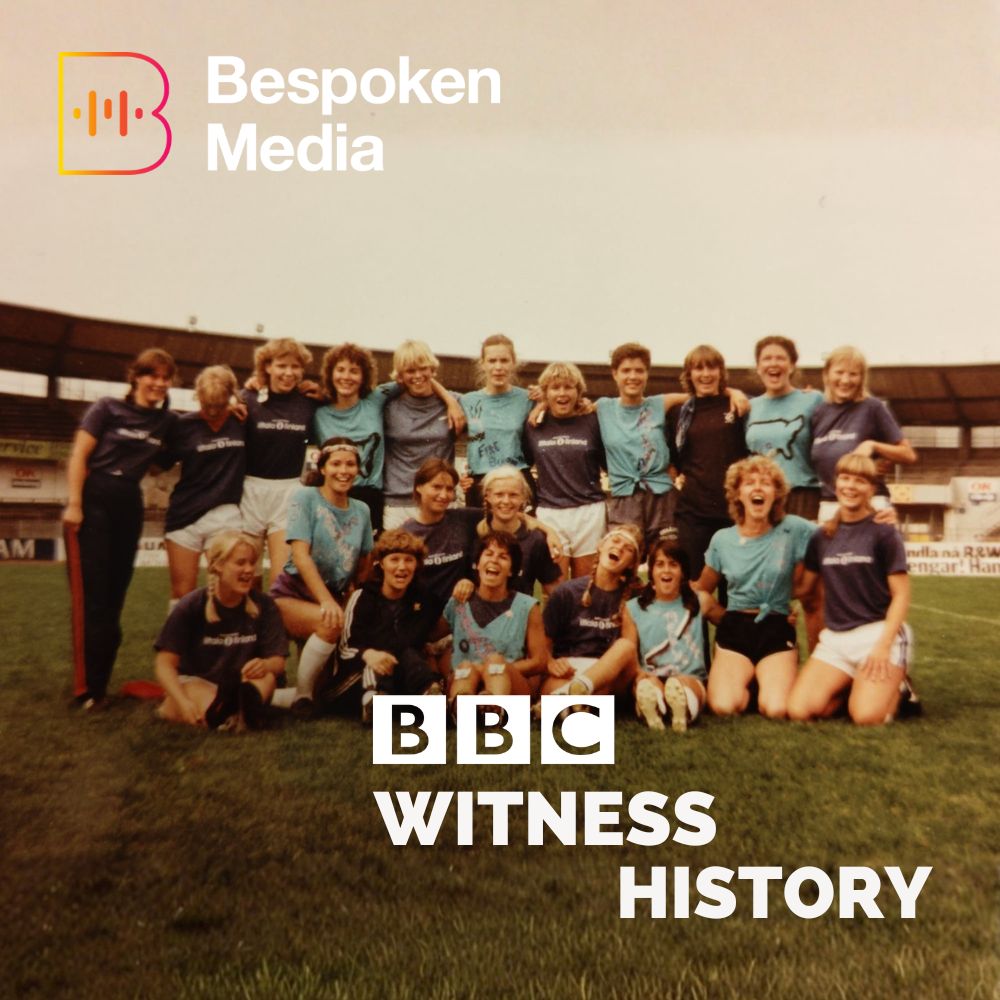
In 1983, Maini Schildt competed in the first Ultimate Frisbee World Championship in Gothenburg, Sweden. Maini was a teenager when, as part of the Finnish women's national team, she reached the final against the USA.
Ultimate Frisbee was developed in the late 1960s in the United States before spreading to Canada and beyond. Maini Schildt tells Maddy Savage how it felt to compete at the tournament, the first of its kind in the history of the sport.
Produced by Carys Wall
Presented by Maddy Savage
Exec Produced by Dave Howard.
Click here to listen.
(Photo: The Finnish and American Ultimate Frisbee teams after the 1983 Ultimate Frisbee World Championship. Credit: Maini Schildt)