
A decade since West Africa's Ebola crisis - our BBC World Service documentary

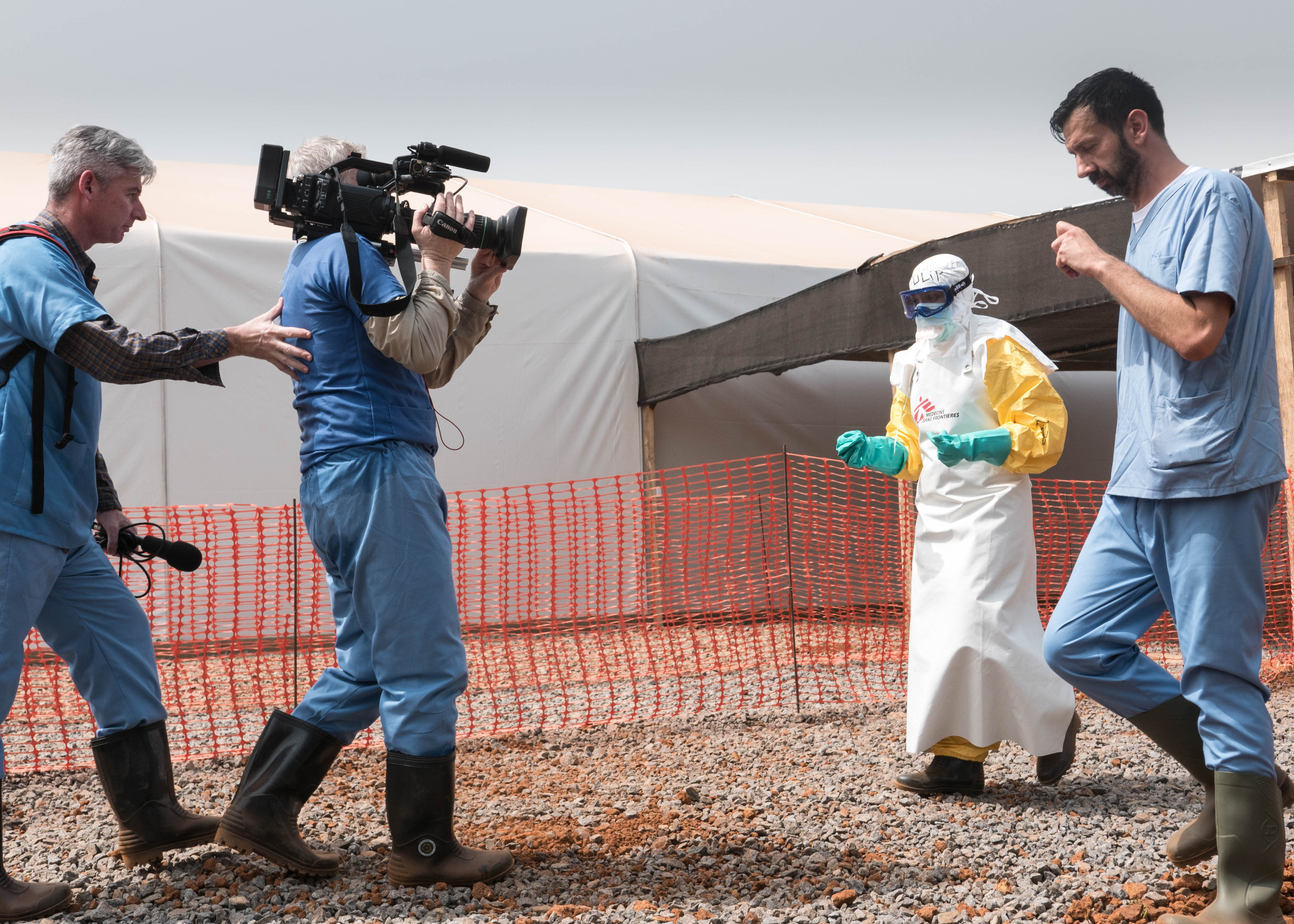
This orange fencing will forever remind me of the Ebola treatment centres we reported from during the world’s worst-ever Ebola outbreak in West Africa.
I see it all the time - most recently at the park with my daughter - and it always takes me back to the families we met, desperately awaiting news of their loved ones inside.
The smell of disinfectant thick in the air.
The fear and mystery surrounding what happened inside those medical tents, despite so many lives being saved there.
A decade on, fear and mistrust remain major challenges. According to the latest World Health Organization figures, 71% of Ebola deaths reported in the DRC since its previous update on 25 September occurred in the community, rather than in treatment centres.
That means people missing out on potentially lifesaving care, and a greater risk of the virus spreading to others.
Children are particularly vulnerable too. In North Kivu, almost a quarter of confirmed Ebola cases are in children under five, according to Médecins Sans Frontières (MSF).
While making our recent BBC World Service documentary - West Africa’s Ebola outbreak: 10 years on - MSF told me it's moving away from the orange fencing at its Ebola treatment facilities.
It's one of a number of changes designed to make these often frightening-looking places feel more welcoming to patients and their families.
Small changes that could make a big difference.
Hear more about the lessons learned - and not learned - from West Africa, as the DRC continues to battle a raging epidemic.
Listen now on The BBC World Service 'The Documentary' podcast feed - West Africa’s Ebola outbreak: 10 years on.
A Bespoken Media production, with Tulip Mazumdar as presenter, Carys Wall as producer, and additional production in Sierra Leone from Umaru Fofana.
Tulip Mazumdar is a journalist and broadcaster specialising in global health. A version of this blog was first posted on her Linkedin page.