


Sweden: living with guns and gangs
For the BBC World Service, Maddy Savage on how Sweden has become Europe's gun crime hotspot.
More like this...
.avif)
Alistair Heather is not proud of some of his past interactions with women. The Scottish writer explores what more he and all men can do to help women feel safer in the world. Listen: https://www.bbc.co.uk/sounds/play/m0015mgx
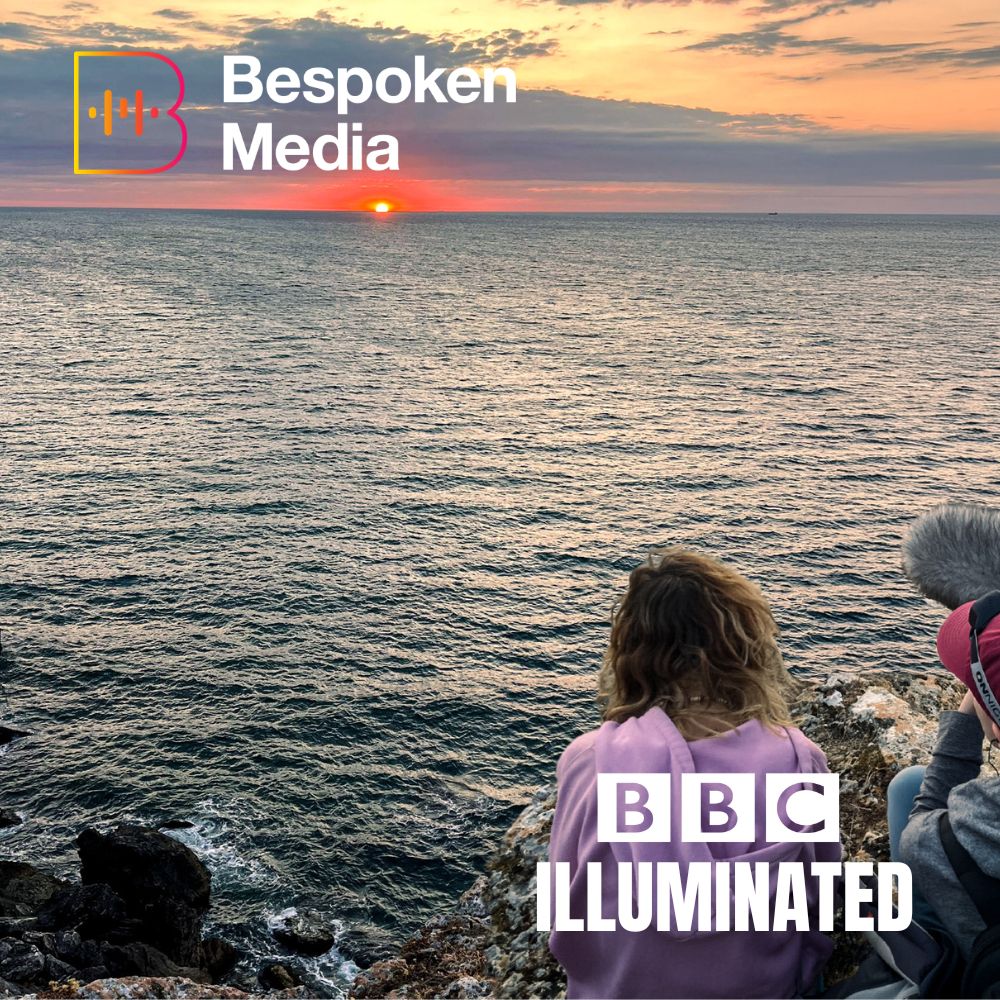
We're at the Black Sea coast on the last night of June. Everything is building up to the sunrise. This is Bulgaria’s ‘July Morning’ observance - somewhere between a counter-cultural musical festival, and a secular pilgrimage marking the start of July. It revolves around reaching the coast in time to meet July’s first sunrise. This celebration has an unlikely origin story - a 1971 song, also called July Morning, by English rock band Uriah Heep.
With thanks to Kmetal Tsonko Tsonev, Alex Boreva, Katie Revell, Andrea Morán and Cicely Fell.
Producer: Carys Wall
Executive producer: Dave Howard
Sound designer: Jonathan Webb
A Bespoken Media Scotland Production
Click here to listen.

Patrick Kielty on Ireland's 1994. Patrick and producer Ruth Sanderson on how 1994 was an extraordinary faultline in Irish life, for Radio 4's Archive on 4. Listen on BBC Sounds.

BBC Stockholm correspondent Maddy Savage on provocative and practical ways Swedes made menstruation less taboo. https://www.bbc.co.uk/sounds/play/w3ct2zjj